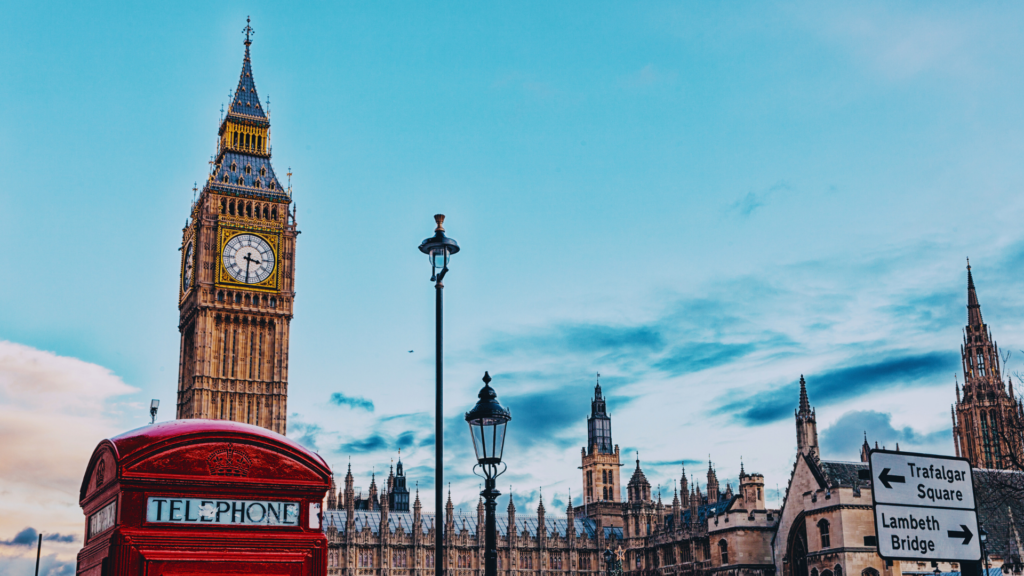

Creating a custom tour allows travellers to explore a city in ways that suit their interests and preferences. The process of designing a personalised itinerary not only makes the experience more enjoyable but also ensures that visitors discover hidden gems that often go unnoticed on standard tours. This approach can transform a typical trip into a memorable adventure tailored to individual desires.
Whether it’s delving into local cuisine, visiting historic landmarks, or immersing oneself in the arts, crafting a custom tour provides flexibility that standard packages cannot. This unique opportunity to curate one’s journey enables exploration beyond the typical tourist traps, leading to a richer understanding of the city’s culture and heritage.
With thoughtful planning, anyone can create a tour that highlights personal interests while making the experience engaging and educational. From selecting specific attractions to choosing the best times to visit, the possibilities are endless for those ready to take the plunge into custom travel.
Designing Your Custom Tour
Creating a custom tour involves several key steps that enhance the overall experience. Careful selection of points of interest, meticulous mapping of the tour route, and the integration of multimedia features are essential components for an engaging tour.
Selecting Points of Interest
Identifying the right points of interest is crucial for a successful tour. Consider features such as local architecture, historical significance, and unique hidden gems. They attract visitors and enrich the narrative of the tour.
A diverse selection enriches storytelling. Combining popular historical sites with lesser-known attractions keeps participants engaged. Examples of points of interest can include:
- Museums: Offer insights into local history and culture.
- Architectural Landmarks: Showcases design and heritage.
- Natural Attractions: Provides visual appeal and outdoor experiences.
Research and local knowledge are essential. Using resources like Google Maps can help uncover attractions and hidden gems that may not be widely known.
Mapping the Tour Route
The route must be logical and coherent, guiding participants smoothly between points of interest. Mapping tools like Google Maps allow the creation of a walking tour map that clearly outlines the path.
To enhance clarity, one can:
- Draw Lines: Visually connect points of interest.
- Add Layers: Highlight specific areas or features.
- Provide Turn-by-Turn Directions: Ensure participants find their way easily.
It’s important to consider logistical factors, such as the distance between stops and the approximate time required at each location. This prevents the tour from feeling rushed or disjointed.
Incorporating Multimedia Features
Multimedia features can significantly boost engagement during the tour. Adding audio or video elements can provide context and enrich the storytelling.
Consider incorporating:
- Audio Guides: Offer detailed information about each site.
- Videos: Provide historical context or vivid imagery related to the tour locations.
- Infographics: Display interesting facts or data in a visually appealing format.
Integration of these elements can transform a basic tour into an interactive experience. Ensuring compatibility with devices participants might use is also key for a seamless experience.
Practical Aspects of Tour Creation
Creating an effective tour involves careful planning and the right tools. Understanding the significance of engaging descriptions, as well as utilising appropriate platforms, can significantly enhance the experience for participants.
Utilising the Right Tools and Platforms
To create a customised tour, one must select suitable tools and platforms. Google Maps is invaluable for crafting custom maps that provide accurate turn-by-turn directions. This helps participants navigate effortlessly.
Additional software options like Tour Creator allow for easy integration of digital storytelling elements with maps. Using these tools, creators can add historical context at specific locations. This educational component deepens the tour experience, making it both informative and entertaining.
Leveraging online platforms to promote the tour can also expand its reach. Websites like Eventbrite and social media channels facilitate easy registration and engagement with a larger audience.
Crafting Engaging Descriptions
Engaging descriptions are crucial for attracting participants to a tour. Each stop should include intriguing historical facts or stories that enhance the audience’s understanding of the area.
Storytelling plays a significant role. Portraying vivid narratives allows participants to connect emotionally with the locations they visit. For example, instead of merely stating a landmark’s name, a description might include tales of historical events linked to it.
Utilising bullet points can summarise key information succinctly:
- Historical significance
- Unique features
- Fun facts
Incorporating such elements creates a more immersive experience. Additionally, descriptions should clearly outline educational aspects, ensuring participants know what they will learn during the tour. This encourages greater interest and participation.
Guided Versus Self-Guided Options
Choosing between guided and self-guided options is essential for creating a successful tour experience. Each option offers unique benefits, allowing for tailored exploration and educational opportunities in the city.
Hiring Professional Tour Guides
Hiring a professional tour guide can enhance a visitor’s experience significantly. Guides bring local knowledge, sharing historical context and interesting anecdotes. They often know hidden gems and can provide insights that enhance understanding of the city’s culture.
Tours led by professionals can include various features such as group sizes, themed experiences, and accessibility options. A guide can also customise the pacing of the tour, ensuring that participants can engage with attractions fully. It allows for interactive Q&A sessions, making the tour more engaging and informative.
Professional guides benefit from certification and training, providing assurance regarding the quality of information shared. They can tailor tours based on specific interests, focusing on art, history, or culinary delights, thereby tailoring the experience.
Creating a Self-Guided Walking Tour Experience
Self-guided walking tours offer flexibility and independence to explore at one’s own pace. Visitors can create personalised itineraries using tools such as Google Maps to mark points of interest. This method allows individuals to spend more time at locations that intrigue them.
To craft an effective self-guided tour, individuals can start by researching particular areas of interest. This may include local landmarks, museums, or architectural sites. Creating a route that connects these locations can enhance the overall experience.
Tourists can supplement their walk with available mobile apps or printed maps that provide educational content about each stop. Planning stops for breaks or meals becomes easier. Self-guided tours empower individuals to make spontaneous discoveries while exploring the city’s unique character.