
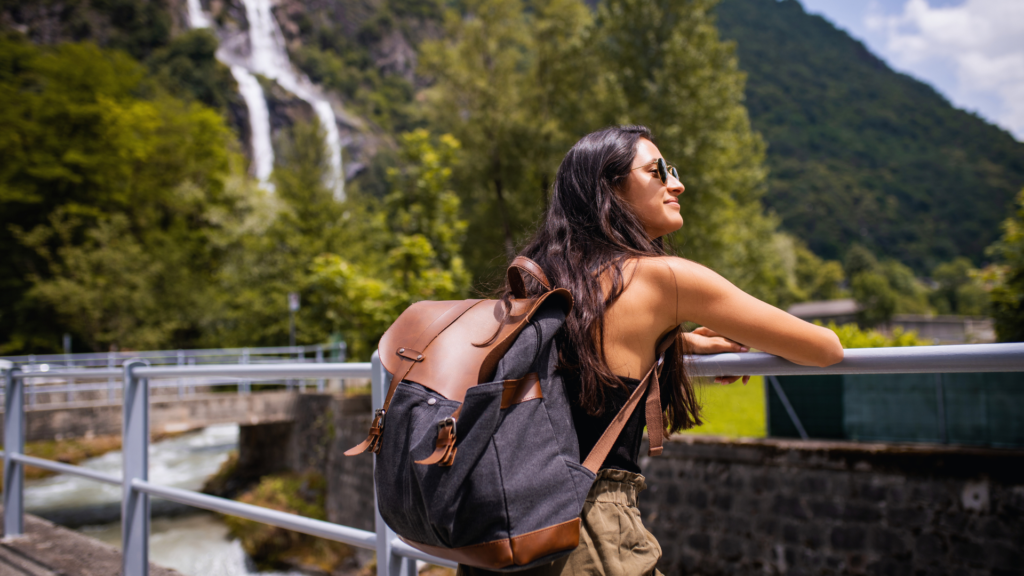
Solo travel offers a unique opportunity for exploration and self-discovery, but it also comes with its own set of challenges. To ensure a safe and enjoyable journey, solo travellers should be proactive in planning their trips and staying aware of their surroundings. By taking the right precautions, individuals can navigate unfamiliar places with confidence.
Awareness of potential risks is crucial for anyone venturing out alone. From choosing the right accommodation to keeping personal belongings secure, simple safety tips can help mitigate dangers. By following guidelines tailored specifically for solo travellers, they can enhance their experiences while minimising risks.
Ultimately, solo travel can be incredibly rewarding when approached with care and preparation. Armed with practical safety tips, those who choose to travel alone can explore the world freely while keeping their peace of mind intact.
Preparing for Your Solo Journey
A successful solo journey requires thorough preparation. Focusing on destination research, itinerary planning, and packing essentials will help ensure a confident and enjoyable experience.
Researching Your Destination
Before departing, it’s essential for travellers to conduct detailed research about their destination. Understanding cultural norms can prevent misunderstandings and foster respectful interactions with locals.
Travellers should also identify common scams in the area. Being aware of these can help minimise risks. Additionally, researching local laws and regulations aids in navigation.
Checking health-related requirements, such as vaccinations, is crucial. It ensures travellers are protected against potential health threats prevalent in certain regions. It’s advisable to learn some basic phrases in the local language to facilitate communication.
Planning Your Itinerary
A well-structured travel itinerary is vital for solo travellers. They should map out key locations, activities, and estimated travel times to maximise their experience.
It is wise to share your itinerary with a trusted friend or family member. This enhances safety and provides a point of contact if any issues arise. Including downtime is also important, allowing time for rest and spontaneous exploration.
Incorporating emergency contacts into the itinerary is a proactive measure. This should include local authorities, your accommodation, and the nearest embassy.
Packing Essentials
Packing smartly can significantly impact the solo travel experience. Essential items include a first aid kit to address minor injuries or ailments promptly.
Pickpocket-proof clothing can help protect valuables in crowded areas. Travellers should consider using secure bags and keeping important items close.
Technology plays a key role in staying connected. Investing in a portable charger ensures devices remain functional while exploring.
Lastly, packing appropriate clothing aids in blending in with locals. Dressing according to the weather and local trends can enhance the overall travel experience, fostering a sense of confidence during the journey.
Safety Strategies While Traveling Alone
When travelling solo, it is crucial to maintain awareness, choose reputable transportation options, and prioritise personal safety. These strategies can significantly enhance the travel experience and minimise risks.
Staying Aware of Your Surroundings
For solo travellers, being aware of one’s surroundings is paramount. One should avoid distractions such as excessive phone usage while walking. Maintaining eye contact with the environment can help spot any unusual behaviour or potential threats.
Regularly assessing the surroundings allows one to notice exits, safe spaces, and other important locations. Trusting instincts is vital—if a situation feels uncomfortable, it is wise to leave immediately. Blending in with the locals by dressing similarly can also reduce attention.
Developing a routine that involves checking in with someone back home can keep an account of daily activities transparent.
Choosing Reliable Transportation
Selecting trustworthy transportation is essential for solo travellers. Before arriving, one should research options like reputable taxi services or rideshare apps known for their safety records.
When using public transport, it is advisable to travel during busier hours and sit near other passengers. If taking a taxi, always ensure the driver is licensed and check the vehicle’s credentials.
Having an emergency plan in place, such as knowing the local emergency numbers, adds an extra layer of safety. During rides, one should remain cautious and alert, ensuring that the driver follows the expected route.
Securing Personal Safety
Personal safety strategies are vital for any solo traveller. Carrying self-defence tools, such as a whistle or personal alarm, can act as deterrents against potential threats. Familiarising herself with basic self-defence techniques is also beneficial.
One should keep their belongings close, using anti-theft bags when necessary. Important documents should be copied and stored separately in case of loss.
Creating an emergency plan, including a list of local contacts and nearby hospitals, provides peace of mind. Engaging with fellow travellers can create a support network, and sharing experiences can lead to valuable advice about personal safety.
Connecting With Others
Establishing connections while travelling solo can enhance the experience and even contribute to personal safety. Key methods include leveraging technology and engaging with locals or fellow travellers.
Using Technology to Stay Safe
Using technology effectively can help a solo traveller stay safe. Mobile apps are widely available to share trip itineraries with trusted friends or family. Apps like Life360 enable real-time location sharing, ensuring someone always knows their whereabouts.
When utilising public Wi-Fi, it’s crucial to stay secure. Using a VPN can protect sensitive data from potential hackers on unsecured networks. Moreover, keeping communication lines open via messaging apps allows for quick updates on travel plans.
Setting up alerts on travel apps can notify individuals of any emergency situations in the area. Maintaining digital contact with local emergency services can also be beneficial. Understanding how to use technology wisely adds a layer of safety during solo adventures.
Meeting Locals and Fellow Travellers
Engaging with locals can provide rich experiences and essential safety insights. Prior research can aid in blending in with the community and respecting cultural norms and behaviours. This approach can help avoid misunderstandings and open doors to authentic interactions.
Joining local tours or workshops allows solo travellers to meet like-minded individuals while exploring the culture. Hostels and networking apps like Meetup are platforms that can foster connections with fellow travellers.
Awareness of common scams in the area can safeguard against potential threats. Interacting with locals often results in valuable tips about safe spots to visit or avoid at night. Being informed enhances the overall travel experience and promotes meaningful connections.

