
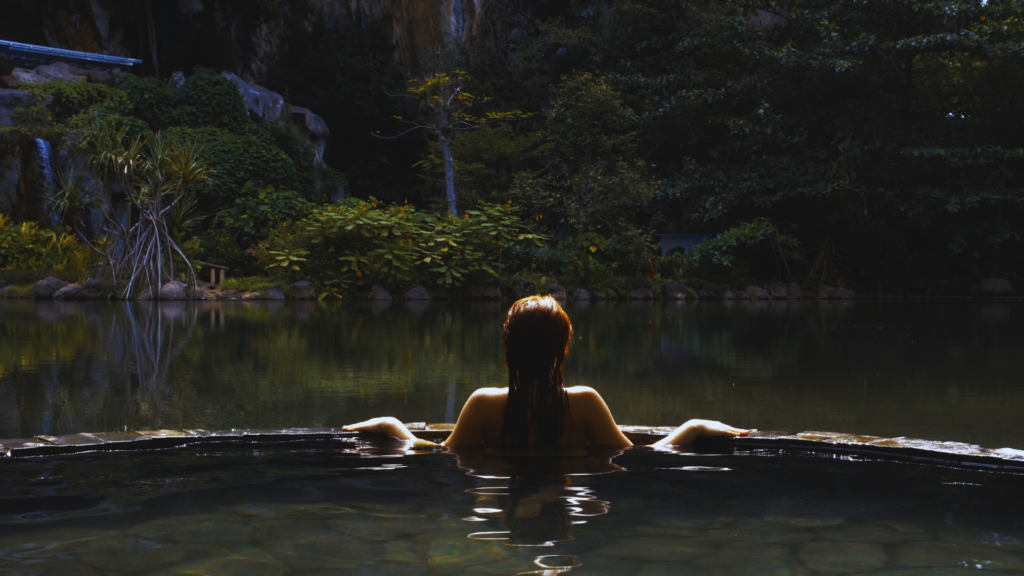
Urban exploration and rural retreats offer contrasting experiences that cater to different desires and preferences. While urban exploration allows individuals to engage with dynamic cityscapes full of culture and history, rural retreats provide a peaceful escape into nature and a chance to unwind. The choice between the two depends largely on what one seeks—adventure and stimulation or tranquillity and solitude.
Explorers drawn to the thrill of discovering abandoned buildings and secret urban spots will find the city teeming with stories waiting to be uncovered. In contrast, those in need of respite can find solace in the serene landscapes of the countryside, offering a slower pace and an opportunity to reconnect with nature. Each experience presents unique benefits that can enrich one’s life in different ways.
Ultimately, the decision between urban exploration and rural retreats hinges on individual priorities. Whether it is the vibrant pulse of city life or the calming embrace of nature, both paths hold the potential for memorable adventures and personal growth.
Comparing the Characteristics of Urban and Rural Settings
The differences between urban and rural settings influence lifestyle choices and opportunities. Each environment offers distinct advantages and challenges, impacting residents’ preferences and experiences.
The Lure of City Life: Urban Living
Urban living is characterised by a vibrant atmosphere and a plethora of amenities. Cities provide access to various services, including healthcare, education, and entertainment options. Transportation is often more convenient, with options like buses, trains, and subways, allowing for efficient commuting. The presence of cultural facilities, restaurants, and nightlife contributes to a dynamic lifestyle that appeals to many.
However, urban environments can feel crowded and polluted, which might detract from the quality of life. The pace of city life can be hectic, requiring individuals to adapt to a fast-paced lifestyle.
Idyllic Serenity: Rural Retreats
Rural retreats offer a stark contrast with their focus on tranquillity and natural beauty. The vast landscapes provide opportunities for outdoor activities such as hiking, fishing, and gardening. Life in rural areas tends to be more relaxed, enabling a deeper connection with nature. Although services may be limited compared to urban settings, residents often appreciate the slower pace and less crowded environments.
Living far from major cities often means dealing with less reliable utility infrastructure. Power outages can last longer in remote areas because repair crews take time to reach them. Many property owners set up backup power systems to keep their lights on during storms. Relying on dependable equipment like Pro Energy Calgary generators helps maintain comfort and safety when the main grid goes down. This preparation allows people to enjoy the quiet of the countryside without the worry of sudden blackouts.
Accessibility can be an issue, as transportation options may not be as frequent or developed. However, the peaceful atmosphere and scenic views can significantly enhance the quality of life for those who prioritise serenity.
Cultural, Social, and Economic Influences
Urban and rural living each offer distinct cultural, social, and economic environments. Urban centres tend to present a wealth of cultural experiences, while rural areas often foster strong community ties.
Multifaceted Cultural Experiences in Urban Centres
Urban areas provide diverse cultural experiences through their vibrant festivals, art galleries, and museums. Cities can host large-scale events, showcasing a range of influences from various ethnic backgrounds. This cultural diversity enriches everyday life, making urban living dynamic and engaging.
Residents often engage in community participation through various artistic outlets, such as theatre performances and live music events. Crowded streets are filled with street art, reflecting the local culture and historical contexts. Urban living encourages an appreciation for varied art forms, enhancing the cultural fabric of city life.
Close-Knit Community and Heritage in the Countryside
Rural retreats often highlight the importance of close-knit communities and shared heritage. Residents typically engage more closely with one another, fostering a sense of belonging and mutual support. Traditional events and local festivals are vital for preserving cultural identity and engaging community members.
Heritage can be experienced through preserved landmarks and local customs, drawing visitors interested in exploring history. Rural tourism thrives as a result, promoting not only community participation but also the importance of sustainability and conservation. This engagement leads to stronger relationships among residents and a unified community spirit.
Employment and Educational Opportunities Across Landscapes
Employment opportunities vary significantly between urban and rural settings. Cities generally offer a wider range of job prospects across industries, fostering career growth. Urban living supports professionals by providing access to extensive networking opportunities and educational institutions.
In contrast, the countryside often focuses on cottage industries and small businesses that play a crucial role in local economies. Education may be less diverse but is often community-oriented, with local schools emphasising collaboration and personal development. This unique focus supports workforce skill-building that benefits the local community directly.
Quality of Life and Personal Well-Being
The quality of life in urban and rural settings significantly influences personal well-being. Urban explorations offer convenience and amenities, while rural retreats promote serenity and health benefits.
Health, Relaxation, and the Importance of Green Spaces
Urban areas provide a range of healthcare facilities and recreational options, contributing to physical health. However, they also face challenges such as pollution, which can detract from overall well-being. Conversely, rural environments often feature abundant green spaces, fostering relaxation and rejuvenation. Access to nature supports mental health by encouraging introspection and reducing stress.
The presence of parks and natural areas enhances the quality of life in urban settings too. Green spaces offer urban dwellers a respite from the fast-paced lifestyle, providing areas for exercise, social interaction, and community participation. This balance between urban amenities and outdoor spaces is essential for optimal health.
Cost of Living and Standard of Living
When comparing costs, urban living generally incurs higher expenses due to increased housing prices and everyday amenities. However, this often correlates with a higher standard of living, including better access to jobs, education, and cultural activities.
In rural areas, lower costs can be appealing, yet residents may experience isolation and fewer services. The trade-off often lies in the quality of life, where the tranquillity of rural life may balance out the limitations in community participation and convenience. Understanding these differences helps individuals make informed choices about their living environments, factoring in health, finances, and personal preferences.

