
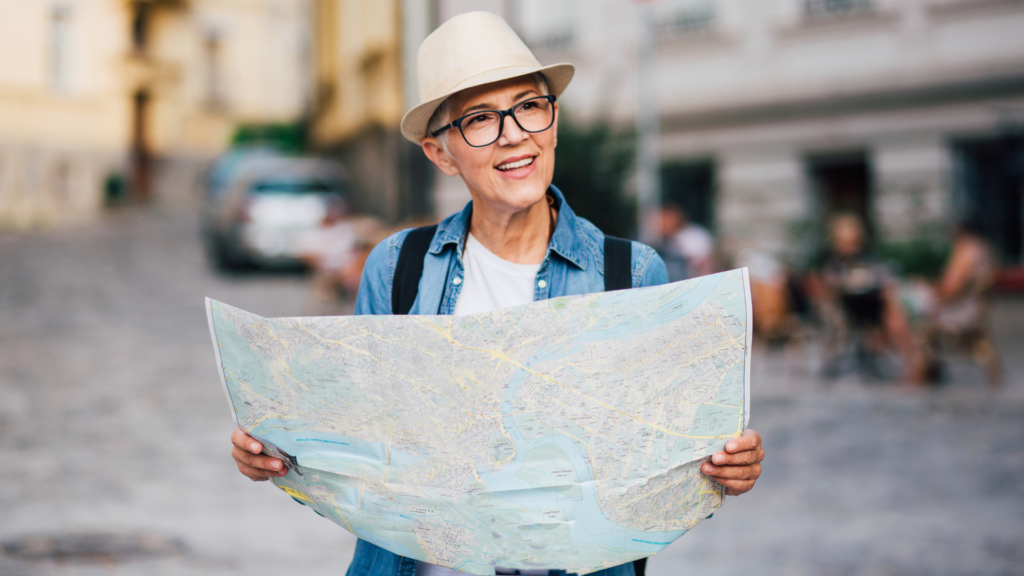
You will feel the freedom and control of planning a trip on your own terms, even if it’s your first solo journey later in life. Travelling alone as an older adult is entirely achievable with practical planning, sensible safety steps, and choices that match personal energy and interests.
They will find clear strategies ahead to simplify logistics, manage health and safety, and choose destinations and accommodations that suit comfort and curiosity. This article outlines actionable considerations so the next trip becomes less about worry and more about discovery.
Key Considerations and Practical Strategies for Travelling to New Countries Alone as an Older Adult
Travellers should evaluate health, mobility, finances, and social needs before booking. Practical planning—insurance, accessible lodging, and realistic daily itineraries—reduces stress and increases enjoyment.
Assessing Personal Comfort, Motivation, and Physical Abilities
They should list medical conditions, medications, and mobility limits before choosing a destination. Create a one-page medical summary that includes prescriptions (with generic names), emergency contacts, vaccination records, and the address of the nearest embassy or consulate.
Be honest about stamina for walking, stairs, long transfers, and climate sensitivity. Test a day of similar activity at home—two to four hours walking with breaks—or a short domestic overnight trip to check energy levels, pain triggers, and recovery time.
Evaluate motivation: cultural immersion, relaxation, or meeting people on a tour. Matching motivation to trip type helps avoid the single supplement cost trap by choosing group departures or tours for seniors travelling alone when social contact or cost-sharing matters.
Choosing the Right Type of Solo Travel Experience
Decide between independent travel, escorted small-group tours, or trips arranged through senior-focused providers. Escorted tours for senior solo travel often handle logistics, offer medically aware guides, and reduce solo navigation stress.
Consider accommodations with elevators, ground-floor rooms, and grab bars. Use filters on booking sites for “accessible” and read recent guest photos and reviews from other senior travel participants. Prioritise direct flights or short connections to limit transfer fatigue.
Balance budget and safety: paying a bit more for a centrally located hotel or day tours can reduce late-night navigation and taxi dependence. If avoiding the single supplement, join small groups, travel in shoulder seasons, or select operators that waive supplements for certain departures.
Planning and Safety Essentials for Senior Solo Travelers
Secure travel insurance that explicitly covers pre-existing conditions, emergency evacuation, and repatriation. Carry a digital and physical copy of policy numbers and the insurer’s 24/7 contact; register the trip with the home country’s embassy, where available.
Prepare a daily itinerary shared with a trusted contact and check-in schedule. Use simple tech: a local SIM or eSIM for data, an offline map app, and a basic travel watch for alarms and step tracking. Keep valuables minimal and use a front-pocket money belt or anti-theft bag.
Learn emergency phrases in the local language and download a phrasebook app. Identify nearby medical facilities and pharmacy chains in each city. When booking tours or travel companions, verify credentials and read recent reviews on solo travel society forums or senior travel groups.
Overcoming Common Challenges and Building Confidence
Address loneliness by joining day tours, cooking classes, or meetup groups that welcome older participants. Many tours for seniors travelling alone include group dinners and guided activities that reduce social friction and lower the effective cost per person.
Manage unexpected health or itinerary changes by packing a simple first-aid kit and extra medication supply in carry-on luggage. Establish a contingency fund—cash and a backup credit card—to handle trip cancellations, private transportation, or medical costs not covered by insurance.
Build confidence with incremental challenges: start with a weekend in a nearby country, then a multi-city trip with one internal flight. Practice public-transport routes, app navigation, and asking for help from hotel staff to make future solo senior travel smoother and less stressful.

