
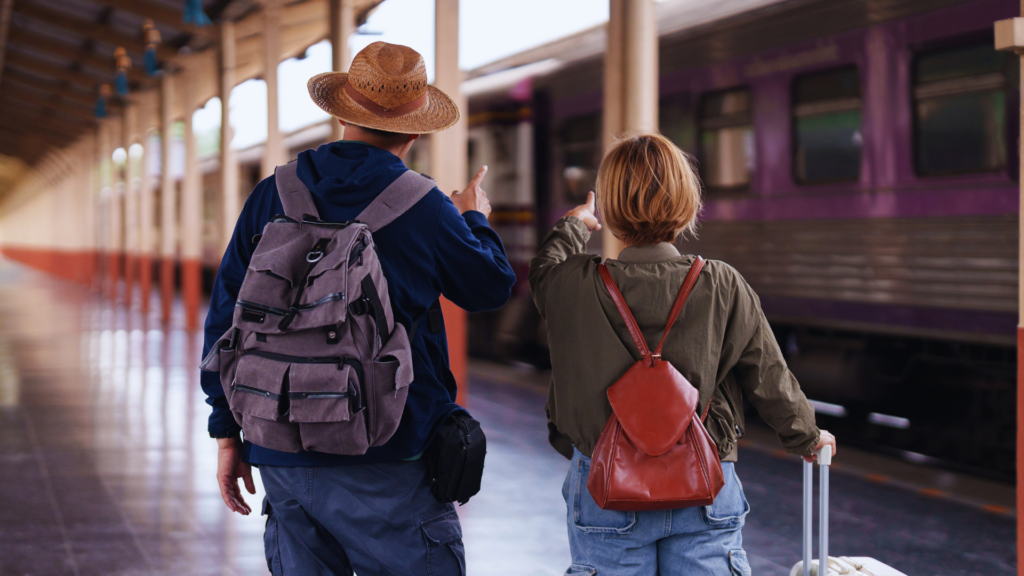
You can explore a new destination confidently without a tour guide by doing a little prep and trusting your instincts. Plan a lightweight route, prioritise a few must-see spots, and use local maps and transit apps to move efficiently—this gives you structure while leaving room for unexpected discoveries.
They can blend local research with spontaneous choices to uncover neighbourhoods, markets, and cafés that guidebooks miss. With basic safety habits and a flexible mindset, independent exploration becomes both safe and rewarding.
Essential Tips for Exploring a New Destination Without a Tour Guide
These tips focus on planning, navigation tools, cultural engagement, independent transport, food, and safety to help travellers confidently explore a city on their own.
Plan Your Own Itinerary and Research Key Sites
They should start by listing must-see attractions and prioritising by opening hours, proximity, and ticket requirements. Use official tourism sites, Google Maps “save” lists, and recent blog posts to confirm hours and closures for iconic landmarks, historical sites, and seasonal events.
Create a loose daily plan with time blocks for a main attraction, a nearby secondary site, and one off-the-beaten-path stop. Note exact addresses, entry fees, and reservation links. Print or save screenshots of confirmations and map pins for points of interest when connectivity is uncertain.
Utilise Self-Guided Tour Apps and Offline Maps
They should download reputable self-guided tour apps and offline maps before departure. Choose apps with downloadable routes, audio guides, and walking tour options that cover self-guided walking tours and city tours.
Prepare offline map files and cached areas in Google Maps or Maps.me. Save walking routes and POI pins for historic districts and hidden gems. Keep local transport lines and station names saved in the app to navigate without a local SIM card.
Balance Must-See Attractions with Hidden Gems
They should schedule time for iconic landmarks and historical sites, then add neighbourhoods or cafés that locals recommend. Reserve morning slots for popular museums or castles to avoid crowds, and use afternoons to wander lesser-known streets and parks.
Seek recommendations from recent forum threads, neighbourhood Facebook groups, or friendly shopkeepers to find off-the-beaten-path galleries and markets. Limit the day to two major attractions and one exploratory walk to maintain pace and enjoyment.
Immerse Yourself in Local Culture and Engage with Locals
They should learn a few key phrases and approach locals with curiosity and respect. Ask shop owners, market vendors, or hostel staff for local insights, upcoming events, or the best time to visit a museum.
Attend a neighbourhood market, community event, or a small concert to observe daily life. Offer a polite question about a menu item or route; locals often point out hidden cafés, off-the-beaten-path viewpoints, or free entry hours that guides don’t mention.
Experience the City on Foot: Walking Tours and Comfortable Gear
They should plan multiple self-guided walking tours to understand a city’s layout and atmosphere. Identify walking routes that link several points of interest—squares, historic sites, and viewpoints—so each walk becomes a coherent mini-tour.
Wear broken-in walking shoes and layer clothing for weather changes. Carry a lightweight daypack, a small water bottle, and a power bank. Use a printed map or offline walking tour app and allow buffer time for stops, photos, and spontaneous discoveries.
Navigate Transportation Options Independently
They should research metro, bus, tram, and bike-share systems before arrival and download any local transit apps. Learn station names in the local language and the common card or ticket type; purchase a travel card at an official kiosk for convenience.
For longer trips, compare ride-hailing apps, scheduled regional trains, and local minibuses. Keep cash for small-ticket buses and check luggage rules. Note transfer times and a backup route in case of strikes or schedule changes.
Savour Local Cuisine and Street Food Experiences
They should identify a shortlist of regional dishes and where locals eat them—market stalls, family-run diners, and street food areas. Read recent reviews and photos to verify hygiene and portion sizes, and watch where locals congregate for busy, authentic options.
Try one market or street-food area per day and pair dishes to manage fullness. Ask vendors about ingredients to avoid allergens. Carry small bills and hand sanitiser; sample slowly and order from stalls with visible turnover for fresher food.
Prioritise Safety, Connectivity, and Practical Travel Tips
They should register for travel insurance that covers medical care and theft, and save emergency numbers in multiple places. Keep photocopies of passports and store them separately from originals; use a money belt or hidden pouch in crowded places.
Buy a local SIM card or an eSIM for data if extended navigation and self-guided tour apps are needed. Keep a charged power bank and a printed backup of critical directions and reservations. Trust instincts in unfamiliar areas, avoid poorly lit streets at night, and share itinerary checkpoints with someone at home.

