
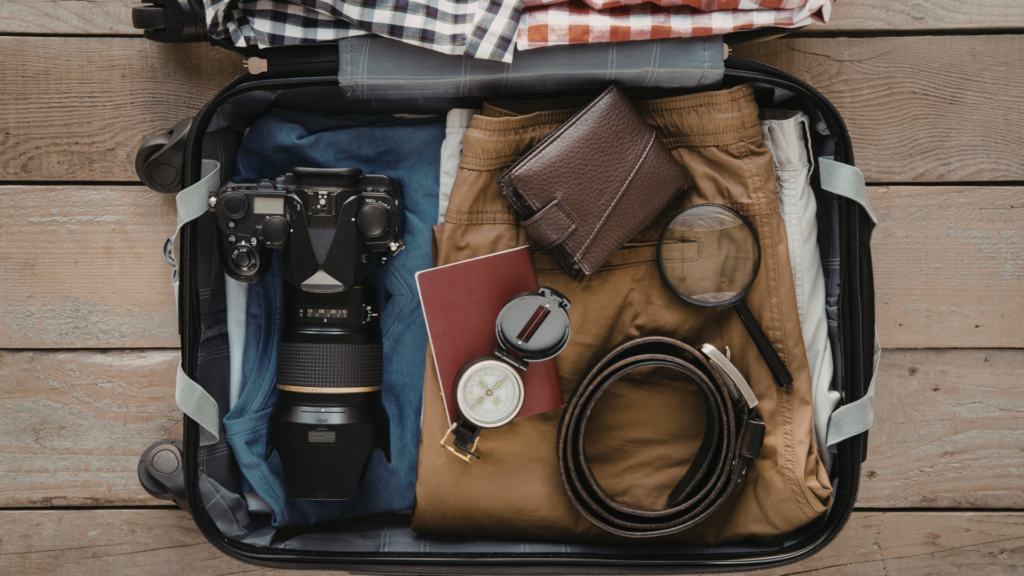
Planning a long trip can feel overwhelming, but a simple, organised packing strategy removes stress and keeps you mobile. Pack versatile clothing, essential documents, reliable chargers, basic toiletries, and a small first-aid kit to cover most situations on the road.
They’ll learn how to balance weight, weather, and activities so nothing important gets left behind. The following guide breaks packing into practical categories and smart choices that save space and protect time and money.
Comprehensive Packing Guide for a Long Trip
This guide lists specific items, organisation methods, clothing strategies, footwear choices, electronics, toiletries, weather adjustments, safety documents, and final efficiency tips that travellers actually use on extended trips.
Essentials: Packing List and Must-Have Gear
Create a master travel packing list and check off items by category: documents, clothing, electronics, health, and comfort. Include passport, printed and digital copies of reservations, travel insurance policy number, emergency contacts, and two credit/debit cards. Add a lightweight daypack for daily use and a small lock for hostel lockers or checked bags.
Pack a reusable water bottle or collapsible water bottle and a Lifestraw or filter if visiting areas with uncertain water quality. Bring a basic first-aid kit, prescription medications in original bottles plus copies of prescriptions, and a multi-tool (check airline rules). Carry a portable charger/power bank (20,000 mAh is a good balance) and a universal travel adapter or travel adaptor with USB-C and USB-A ports.
Luggage, Backpacks, and Packing Organisation
Choose luggage based on trip length and itinerary: a 40–45L carry-on backpack for carry-on only travel, or a 70–90L checked duffel for multi-month trips with outdoor gear. Use a comfortable, ventilated backpack with a hip belt for long walks or train travel. Label all baggage with a durable tag and include a hidden ID inside.
Use packing cubes and compression packing cubes to separate tops, bottoms, underwear, and tech. Keep a toiletry bag accessible at the top for easy security checks. Reserve one quick-access compartment for travel essentials: passport, boarding pass, phone, and snacks. Use a lightweight daypack or foldable daypack for day trips.
Clothing Strategies for Extended Travel
Build a capsule wardrobe around neutral colours and quick-dry fabrics. Pack 3–5 shirts, 2–3 travel pants (including one pair of travel pants and one pair of shorts or hiking pants), 1 lightweight sweater, a packable down jacket, and a swimsuit. Include sleepwear and 7–10 pairs of underwear if laundry access is limited; otherwise, bring fewer and plan a wash every 7–10 days.
Layering covers mixed climates: long-sleeved shirts under a lightweight sweater, plus a waterproof shell. Choose fabrics that resist odour and dry fast: merino wool or synthetic blends. Bring a set of compression socks for long flights and a lightweight belt. Limit footwear to 2–3 pairs: comfortable walking shoes, travel sandals or flip flops, and sturdy hiking boots if needed.
Travel Accessories and Smart Packing Tools
Pack travel accessories that save space and increase comfort: packing cubes, a compression sack for bulky items, and a travel towel. Include a toiletry bag with clear compartments and a small laundry soap or detergent sheet. Add a travel pillow for long flights and an eye mask and earplugs for sleep in shared accommodations.
Carry small but useful tools: a travel-size clothesline, a universal power adapter, a portable scale for luggage, and a multi-port USB charger. Use a document organiser or RFID-blocking wallet for passports and cards. Keep a small sewing kit, nail clipper, and spare zip ties.
Footwear for Comfort and Versatility
Select footwear for activity and climate. Choose comfortable walking shoes or trainers with good arch support for city days and transit. Bring a pair of travel sandals or flip flops for showers, the beach, and easy-on travel days.
If hiking is on the itinerary, pack sturdy hiking boots or trail shoes with ankle support and waterproofing. Break in new shoes before departure. Pack blister care items and an extra pair of socks to rotate during long hikes or multi-day transit.
Tech, Electronics, and Power Solutions
List core tech: smartphone, earbuds, and a lightweight laptop or tablet if needed. Bring a portable charger (power bank) rated for one to two full phone charges per day of heavy use and a multi-port USB charger for nightly charging of multiple devices. Pack charging cables, a universal power adapter (or travel adaptor) with USB-C support, and an adapter specific to the destination if required.
Carry a compact power strip if staying in rooms with limited outlets. Store important files offline and back up photos to cloud storage or an external SSD. Bring a small travel router or SIM adapter kit when working in remote places. Keep all electronics in a padded tech organiser.
Toiletries and Personal Care Essentials
Use a see-through toiletry bag for TSA compliance and quick inspection. Pack travel-size bottles of shampoo, conditioner, toothpaste, and a toothbrush; consider solid shampoo bars to reduce liquid weight. Include deodorant, sunscreen, a small bottle of hand sanitiser, and a compact first-aid kit.
Add personal items: feminine hygiene supplies, contact lens solution or spare glasses, a small nail clipper, and a microfiber travel towel. For longer trips, bring refillable travel bottles and a checklist to restock common items locally.
Packing for Cold, Warm, or Mixed Weather
For cold weather, prioritise layering: base layers, an insulating packable down jacket, and a waterproof shell. Pack thermal underwear, gloves, a warm hat, and a scarf. Use compression packing cubes to fit bulkier items into a limited space.
For warm climates, pack breathable shirts, shorts, a sun hat, UV-protective clothing, and a swimsuit. Bring a lightweight travel towel and a collapsible water bottle. For mixed-weather trips, combine a packable down jacket with quick-dry shirts and a waterproof shell. Plan outfits for transition days and include a small laundry kit to wash layering pieces.
Health, Safety, and Important Travel Documents
Carry travel insurance details and emergency contact numbers, both printed and digital. Keep vaccination certificates, necessary visas, and copies of passport pages in a waterproof document holder. Register with your embassy if travelling to remote or higher-risk destinations.
Bring a travel-size first-aid kit with Band-Aids, antiseptic wipes, pain relievers, electrolyte packets, and any prescription medicine,s plus copies of prescriptions. Pack insect repellent, water purification options like Lifestraw or sterilisation tablets if needed, and a small flashlight or headlamp.
Final Packing Tips for Efficiency and Packing Light
Use a packing checklist and remove nonessential duplicates: one multi-use jacket, one pair of versatile pants, and one set of nicer clothes for formal occasions. Roll clothes to save space, and compress bulky items like a packable down jacket in a compression cube. Keep heavy items close to the frame in a backpack for balance.
Limit liquids to TSA-compliant sizes for carry-on and transfer refillable bottles into approved containers. Weigh luggage at home to avoid airline fees and consolidate adapters and chargers into one tech pouch. Use the “lay out everything, then remove 30%” method to pare down excess.

